

-
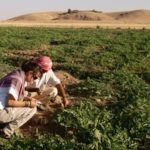
Caitlin Chaves Yates deposited Tell Mozan’s Outer City in the Third Millennium BCE on Humanities Commons 6 years ago
During the third millennium B.C.E., Tell Mozan, ancient Urkesh, expanded to include an extensive outer city. A variety of investigations in the outer city reveal a complex urban environment: a mix of planned and unplanned activity with the environment and large municipal works acting as constraining factors on more localized activity.
-

Jordan Rosenblum's profile was updated on Humanities Commons 6 years ago
-
Jordan Rosenblum's profile was updated on Humanities Commons 6 years, 2 months ago
-

Rachel Rafael Neis deposited Interspecies and Cross-species Generation: in the group
 Science Studies and the History of Science on Humanities Commons 6 years, 3 months ago
This article treats late ancient rabbinic texts (ca. 1st-early 3rd cents. CE), reading them as biology, and following their ideas about the limits and possibilities of reproductive and species variation. I read sources from the tractates of Niddah, Kil’ayim, and Bekhorot, in the Mishnah and Toseta, as expressions of a science of generation, or a b…[Read more]
-
Rachel Rafael Neis deposited Interspecies and Cross-species Generation: in the group
 Religious Studies on Humanities Commons 6 years, 3 months ago
This article treats late ancient rabbinic texts (ca. 1st-early 3rd cents. CE), reading them as biology, and following their ideas about the limits and possibilities of reproductive and species variation. I read sources from the tractates of Niddah, Kil’ayim, and Bekhorot, in the Mishnah and Toseta, as expressions of a science of generation, or a b…[Read more]
-
Rachel Rafael Neis deposited Interspecies and Cross-species Generation: in the group
 Rabbinic Literature and Culture on AJS Commons 6 years, 3 months ago
This article treats late ancient rabbinic texts (ca. 1st-early 3rd cents. CE), reading them as biology, and following their ideas about the limits and possibilities of reproductive and species variation. I read sources from the tractates of Niddah, Kil’ayim, and Bekhorot, in the Mishnah and Toseta, as expressions of a science of generation, or a b…[Read more]
-
Rachel Rafael Neis deposited Interspecies and Cross-species Generation: in the group
Late Antiquity on Humanities Commons 6 years, 3 months agoThis article treats late ancient rabbinic texts (ca. 1st-early 3rd cents. CE), reading them as biology, and following their ideas about the limits and possibilities of reproductive and species variation. I read sources from the tractates of Niddah, Kil’ayim, and Bekhorot, in the Mishnah and Toseta, as expressions of a science of generation, or a b…[Read more]
-
Rachel Rafael Neis deposited Interspecies and Cross-species Generation: in the group
 Ancient Jew Review on Humanities Commons 6 years, 3 months ago
This article treats late ancient rabbinic texts (ca. 1st-early 3rd cents. CE), reading them as biology, and following their ideas about the limits and possibilities of reproductive and species variation. I read sources from the tractates of Niddah, Kil’ayim, and Bekhorot, in the Mishnah and Toseta, as expressions of a science of generation, or a b…[Read more]
-
Rachel Rafael Neis deposited Interspecies and Cross-species Generation: on Humanities Commons 6 years, 3 months ago
This article treats late ancient rabbinic texts (ca. 1st-early 3rd cents. CE), reading them as biology, and following their ideas about the limits and possibilities of reproductive and species variation. I read sources from the tractates of Niddah, Kil’ayim, and Bekhorot, in the Mishnah and Toseta, as expressions of a science of generation, or a b…[Read more]
-
Jordan Rosenblum's profile was updated on Humanities Commons 6 years, 3 months ago
-
Rachel Rafael Neis deposited “All that is in the Settlement” : Humans, Likeness, and Species in the Rabbinic Bestiary in the group
Religious Studies on Humanities Commons 6 years, 4 months ago***For a copy of the article please write to RNEIS@umich.edu***
While biologists argue about the limits and definition of a species, the urge to cluster and distinguish among the plenitude of lifeforms that populates the planet remains. Contemporary concerns about attempts to clone monkeys and to engineer human-porcine chimeras point to…[Read more]
-
Rachel Rafael Neis deposited “All that is in the Settlement” : Humans, Likeness, and Species in the Rabbinic Bestiary in the group
Rabbinic Literature and Culture on AJS Commons 6 years, 4 months ago***For a copy of the article please write to RNEIS@umich.edu***
While biologists argue about the limits and definition of a species, the urge to cluster and distinguish among the plenitude of lifeforms that populates the planet remains. Contemporary concerns about attempts to clone monkeys and to engineer human-porcine chimeras point to…[Read more]
-
Rachel Rafael Neis deposited “All that is in the Settlement” : Humans, Likeness, and Species in the Rabbinic Bestiary in the group
Late Antiquity on Humanities Commons 6 years, 4 months ago***For a copy of the article please write to RNEIS@umich.edu***
While biologists argue about the limits and definition of a species, the urge to cluster and distinguish among the plenitude of lifeforms that populates the planet remains. Contemporary concerns about attempts to clone monkeys and to engineer human-porcine chimeras point to…[Read more]
-
Rachel Rafael Neis deposited “All that is in the Settlement” : Humans, Likeness, and Species in the Rabbinic Bestiary in the group
Jewish History and Culture in Antiquity on AJS Commons 6 years, 4 months ago***For a copy of the article please write to RNEIS@umich.edu***
While biologists argue about the limits and definition of a species, the urge to cluster and distinguish among the plenitude of lifeforms that populates the planet remains. Contemporary concerns about attempts to clone monkeys and to engineer human-porcine chimeras point to…[Read more]
-
Rachel Rafael Neis deposited “All that is in the Settlement” : Humans, Likeness, and Species in the Rabbinic Bestiary in the group
 Biblical Studies on Humanities Commons 6 years, 4 months ago
***For a copy of the article please write to RNEIS@umich.edu***
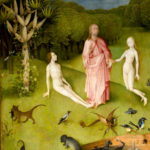
While biologists argue about the limits and definition of a species, the urge to cluster and distinguish among the plenitude of lifeforms that populates the planet remains. Contemporary concerns about attempts to clone monkeys and to engineer human-porcine chimeras point to…[Read more]
-
Rachel Rafael Neis deposited “All that is in the Settlement” : Humans, Likeness, and Species in the Rabbinic Bestiary on Humanities Commons 6 years, 4 months ago
***For a copy of the article please write to RNEIS@umich.edu***
While biologists argue about the limits and definition of a species, the urge to cluster and distinguish among the plenitude of lifeforms that populates the planet remains. Contemporary concerns about attempts to clone monkeys and to engineer human-porcine chimeras point to…[Read more]
-
Jordan Rosenblum's profile was updated on Humanities Commons 6 years, 4 months ago
-

Carl Rice's profile was updated on Humanities Commons 6 years, 5 months ago
-
Brad Hostetler's profile was updated on Humanities Commons 6 years, 6 months ago
-

Oliver Dietrich deposited Cereal processing at Early Neolithic Göbekli Tepe, southeastern Turkey in the group
Religious Studies on Humanities Commons 6 years, 8 months agoWe analyze the processing of cereals and its role at Early Neolithic Göbekli Tepe, southeastern Anatolia (10th / 9th millennium BC), a site that has aroused much debate in archaeological discourse.
- Load More
Open access, open source, open to all