

News Feed
-
Álvaro Cuéllar deposited Cronología y estilometría: datación automática de comedias de Lope de Vega in the group
 Digital Humanists on Humanities Commons 2 years, 6 months ago
La datación supone una de las cuestiones con más interrogantes en el estudio del teatro aurisecular español. La estilometría, técnica informática basada en la comparación de textos en función de sus usos escriturales y que está utilizándose con aparente acierto en los últimos años para arrojar luz sobre el problema de la autoría, puede servir…[Read more]
-
Álvaro Cuéllar deposited Cronología y estilometría: datación automática de comedias de Lope de Vega in the group
Artificial Intelligence on Humanities Commons 2 years, 6 months agoLa datación supone una de las cuestiones con más interrogantes en el estudio del teatro aurisecular español. La estilometría, técnica informática basada en la comparación de textos en función de sus usos escriturales y que está utilizándose con aparente acierto en los últimos años para arrojar luz sobre el problema de la autoría, puede servir…[Read more]
-
Álvaro Cuéllar deposited Un nuevo repertorio dramático para Andrés de Claramonte in the group
 Spanish Golden Age Literature on Humanities Commons 2 years, 6 months ago
Claramonte es uno de los dramaturgos que más extraña suerte ha corrido de nuestro patrimonio teatral. Vilipendiado por los primeros estudiosos como plagiario, refundidor y, en definitiva, autor de segundo orden, en las últimas décadas ha resurgido como posible responsable de obras capitales de nuestro teatro. A través del empleo de técnicas estil…[Read more]
-
Álvaro Cuéllar deposited Un nuevo repertorio dramático para Andrés de Claramonte in the group
 Global DH on Humanities Commons 2 years, 6 months ago
Claramonte es uno de los dramaturgos que más extraña suerte ha corrido de nuestro patrimonio teatral. Vilipendiado por los primeros estudiosos como plagiario, refundidor y, en definitiva, autor de segundo orden, en las últimas décadas ha resurgido como posible responsable de obras capitales de nuestro teatro. A través del empleo de técnicas estil…[Read more]
-
Álvaro Cuéllar deposited Un nuevo repertorio dramático para Andrés de Claramonte in the group
Digital Humanists on Humanities Commons 2 years, 6 months agoClaramonte es uno de los dramaturgos que más extraña suerte ha corrido de nuestro patrimonio teatral. Vilipendiado por los primeros estudiosos como plagiario, refundidor y, en definitiva, autor de segundo orden, en las últimas décadas ha resurgido como posible responsable de obras capitales de nuestro teatro. A través del empleo de técnicas estil…[Read more]
-
Álvaro Cuéllar deposited Un nuevo repertorio dramático para Andrés de Claramonte in the group
Artificial Intelligence on Humanities Commons 2 years, 6 months agoClaramonte es uno de los dramaturgos que más extraña suerte ha corrido de nuestro patrimonio teatral. Vilipendiado por los primeros estudiosos como plagiario, refundidor y, en definitiva, autor de segundo orden, en las últimas décadas ha resurgido como posible responsable de obras capitales de nuestro teatro. A través del empleo de técnicas estil…[Read more]
-
Álvaro Cuéllar deposited Discernir entre original y refundición en el teatro del Siglo de Oro a través de la estilometría: el caso de El mejor amigo, el muerto in the group
Spanish Golden Age Literature on Humanities Commons 2 years, 6 months agoLa refundición supone un fenómeno recurrente en el teatro aurisecular español. Existen numerosos casos en los que un dramaturgo parte de un texto previo y lo modifica para conformar una nueva obra reutilizando un cierto número de versos. En ocasiones, el paso del tiempo confunde la obra primigenia con la refundición y resulta complicado esta…[Read more]
-
Álvaro Cuéllar deposited Discernir entre original y refundición en el teatro del Siglo de Oro a través de la estilometría: el caso de El mejor amigo, el muerto in the group
Global DH on Humanities Commons 2 years, 6 months agoLa refundición supone un fenómeno recurrente en el teatro aurisecular español. Existen numerosos casos en los que un dramaturgo parte de un texto previo y lo modifica para conformar una nueva obra reutilizando un cierto número de versos. En ocasiones, el paso del tiempo confunde la obra primigenia con la refundición y resulta complicado esta…[Read more]
-
Álvaro Cuéllar deposited Discernir entre original y refundición en el teatro del Siglo de Oro a través de la estilometría: el caso de El mejor amigo, el muerto in the group
Digital Humanists on Humanities Commons 2 years, 6 months agoLa refundición supone un fenómeno recurrente en el teatro aurisecular español. Existen numerosos casos en los que un dramaturgo parte de un texto previo y lo modifica para conformar una nueva obra reutilizando un cierto número de versos. En ocasiones, el paso del tiempo confunde la obra primigenia con la refundición y resulta complicado esta…[Read more]
-
Álvaro Cuéllar deposited Discernir entre original y refundición en el teatro del Siglo de Oro a través de la estilometría: el caso de El mejor amigo, el muerto in the group
Artificial Intelligence on Humanities Commons 2 years, 6 months agoLa refundición supone un fenómeno recurrente en el teatro aurisecular español. Existen numerosos casos en los que un dramaturgo parte de un texto previo y lo modifica para conformar una nueva obra reutilizando un cierto número de versos. En ocasiones, el paso del tiempo confunde la obra primigenia con la refundición y resulta complicado esta…[Read more]
-
Harald Pittel deposited Standing Together at the Edge of the World – The Decameron Project: 29 New Stories from the Pandemic in the group
 English Literature on Humanities Commons 2 years, 6 months ago
The Covid-19 pandemic, though less prominent in the headlines than in 2020 and 2021, is still with us today and has become part of our cultural memory. This essay looks at the loftily titled Decameron Project (2020), an international volume of what may be called ‘lockdown fiction’, commissioned by The New York Times Magazine. Special attention is…[Read more]
-
Harald Pittel deposited Standing Together at the Edge of the World – The Decameron Project: 29 New Stories from the Pandemic in the group
American Studies on Humanities Commons 2 years, 6 months agoThe Covid-19 pandemic, though less prominent in the headlines than in 2020 and 2021, is still with us today and has become part of our cultural memory. This essay looks at the loftily titled Decameron Project (2020), an international volume of what may be called ‘lockdown fiction’, commissioned by The New York Times Magazine. Special attention is…[Read more]
-
Harald Pittel deposited Standing Together at the Edge of the World – The Decameron Project: 29 New Stories from the Pandemic in the group
American Literature on Humanities Commons 2 years, 6 months agoThe Covid-19 pandemic, though less prominent in the headlines than in 2020 and 2021, is still with us today and has become part of our cultural memory. This essay looks at the loftily titled Decameron Project (2020), an international volume of what may be called ‘lockdown fiction’, commissioned by The New York Times Magazine. Special attention is…[Read more]
-

Sarah Lowengard deposited Ordering Colours in 18th and Early 19th Century Europe in the group
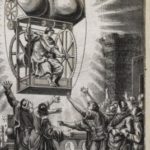 Science Studies and the History of Science on Humanities Commons 2 years, 6 months ago
I co-edited this collection of essays about color order and color ordering systems based on a workshop held at TU-Berlin in 2020.
https://bit.ly/Ordering_Colours -
Sarah Lowengard deposited Ordering Colours in 18th and Early 19th Century Europe in the group
Early Modern History on Humanities Commons 2 years, 6 months agoI co-edited this collection of essays about color order and color ordering systems based on a workshop held at TU-Berlin in 2020.
https://bit.ly/Ordering_Colours -
Sarah Lowengard deposited Ordering Colours in 18th and Early 19th Century Europe in the group
 Applied and decorative arts (1400-1700) on Humanities Commons 2 years, 6 months ago
I co-edited this collection of essays about color order and color ordering systems based on a workshop held at TU-Berlin in 2020.
https://bit.ly/Ordering_Colours -

Julia Rhyder deposited Sonja Ammann, Katharina Pyschny, and Julia Rhyder, eds. Authorship and the Hebrew Bible. FAT 158. Tübingen: Mohr Siebeck, 2022. in the group
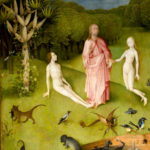 Biblical Studies on Humanities Commons 2 years, 6 months ago
Does “authorship” still have a place in the study of the Hebrew Bible? Historical criticism has long sought to uncover the human authors behind the biblical texts. But how might the “death of the author,” so forcefully declared by Roland Barthes over fifty years ago, change the contours of this search? This volume brings together leading experts…[Read more]
-
Julia Rhyder deposited Sonja Ammann, Katharina Pyschny, and Julia Rhyder, eds. Authorship and the Hebrew Bible. FAT 158. Tübingen: Mohr Siebeck, 2022. in the group
Ancient Near East on Humanities Commons 2 years, 6 months agoDoes “authorship” still have a place in the study of the Hebrew Bible? Historical criticism has long sought to uncover the human authors behind the biblical texts. But how might the “death of the author,” so forcefully declared by Roland Barthes over fifty years ago, change the contours of this search? This volume brings together leading experts…[Read more]
-
Julia Rhyder deposited Sonja Ammann, Katharina Pyschny, and Julia Rhyder, eds. Authorship and the Hebrew Bible. FAT 158. Tübingen: Mohr Siebeck, 2022. in the group
 Ancient Jew Review on Humanities Commons 2 years, 6 months ago
Does “authorship” still have a place in the study of the Hebrew Bible? Historical criticism has long sought to uncover the human authors behind the biblical texts. But how might the “death of the author,” so forcefully declared by Roland Barthes over fifty years ago, change the contours of this search? This volume brings together leading experts…[Read more]
-
Julia Rhyder deposited Centralizing the Cult: The Holiness Legislation in Leviticus 17–26. FAT 134. Tübingen: Mohr Siebeck, 2019. in the group
Biblical Studies on Humanities Commons 2 years, 6 months agoThis work provides new insights into the relationship between the Holiness legislation in Leviticus 17–26 and processes of cultic centralization in the Persian period. The author departs from the classical theory that Leviticus 17–26 merely presume, with minor modifications, a concept of centralization articulated in Deuteronomy. She shows how Lev…[Read more]
- Load More

